IPM Take
A country does not eliminate vertical HIV transmission by discovering a new drug. It does so by ensuring the medicines, tests and care pathways already available reach the women who need them.
Barbados has demonstrated what effective implementation can achieve when services are universal, confidential and provided without discrimination. The accomplishment is especially important because it shows that population-level elimination can be compatible with protecting reproductive rights and ensuring access regardless of nationality.
Executive Summary
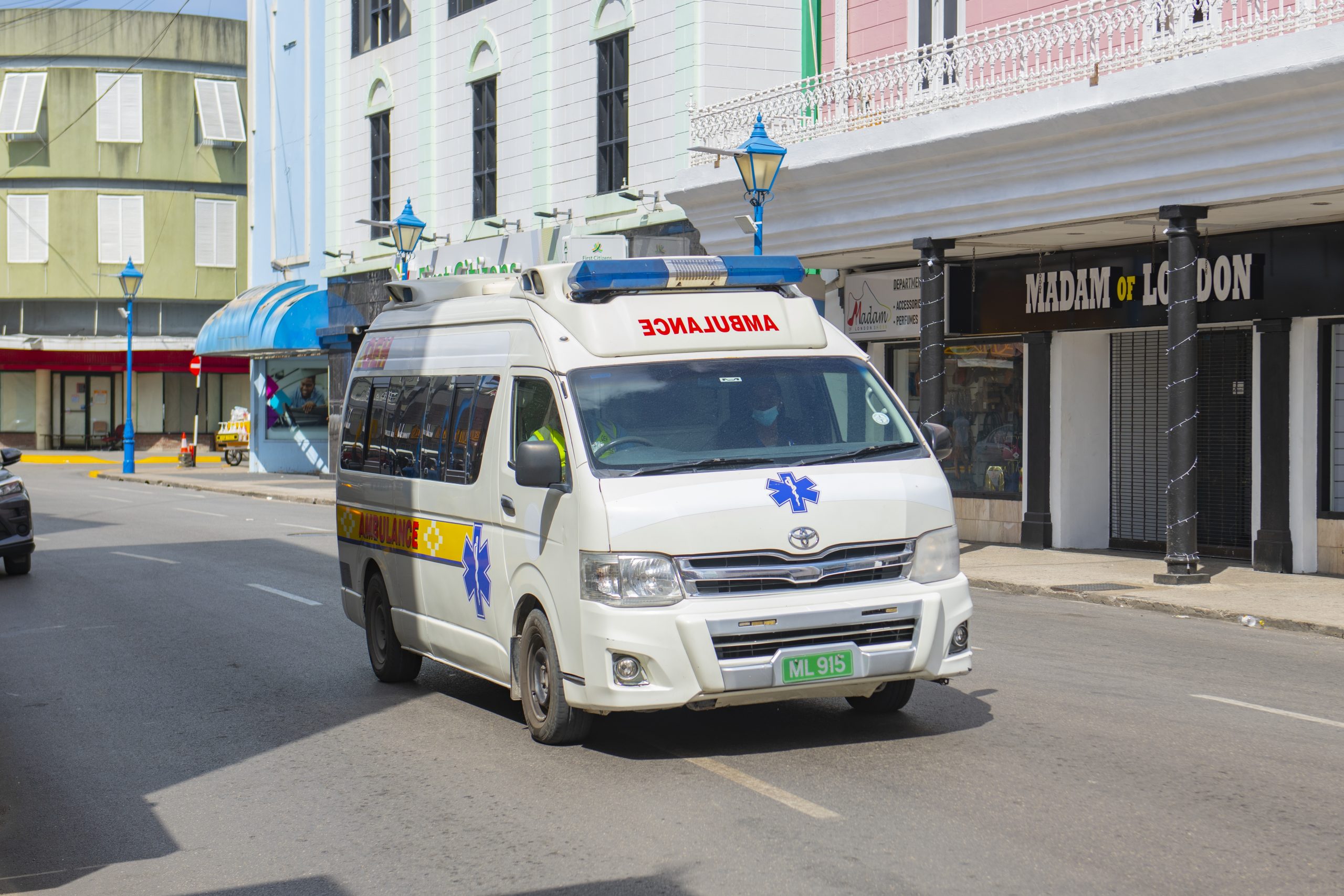
WHO announced on 30 October that Barbados had been validated for eliminating mother-to-child transmission of HIV as a public-health problem.
An independent assessment confirmed that no new HIV infections caused by vertical transmission were reported among infants born in Barbados during 2022–2024.
Across the same period, approximately 98% of pregnant women received antenatal care, 98% underwent HIV testing and 98% of pregnant women living with HIV received antiretroviral treatment.
HIV testing and treatment are provided free of charge to pregnant women regardless of nationality. WHO also found no evidence of coercive reproductive-health practices involving women living with HIV.
Why it matters
- Health ministries: Integrated maternal and HIV services can achieve population-level prevention when testing, treatment and follow-up are consistently delivered.
- Clinicians and maternity providers: Early diagnosis and sustained antiretroviral treatment are central to preventing transmission before, during and after childbirth.
- Women and patient advocates: Confidential, voluntary and non-discriminatory care is part of successful elimination, not a secondary ethical consideration.
Barbados has achieved a milestone that should make other health systems uncomfortable in a constructive way. The tools required to prevent mother-to-child HIV transmission have been available for years. What is often missing is the consistent delivery of those tools across the entire pathway of pregnancy, childbirth and infant follow-up.
The country’s validation by WHO demonstrates how that pathway can function when prevention is embedded into routine care.
During the three-year assessment period, no new infant HIV infections resulting from mother-to-child transmission were reported. At the same time, antenatal care, HIV testing and antiretroviral treatment reached approximately 98% of the relevant populations. These figures describe a system in which access to prevention was not dependent on a woman finding a specialist programme after a problem emerged.
That distinction is central to the achievement. HIV prevention during pregnancy begins with timely antenatal contact and voluntary testing. Women who test positive need prompt access to treatment, clinical support and continued care. Infants exposed to HIV require appropriate testing and follow-up. A failure at any stage can undermine the effectiveness of the rest.
Barbados has also made an important policy choice about eligibility. HIV testing and treatment are free for pregnant women regardless of nationality. In a region where migration and administrative status can create barriers to healthcare, that principle has direct epidemiological consequences. A woman excluded from treatment because of nationality does not become less capable of transmitting HIV. The restriction simply makes effective prevention harder to deliver.
The human-rights dimension is equally important. HIV has historically been associated with stigma, breaches of confidentiality and coercive reproductive-health practices. WHO’s assessment explicitly examined whether women living with HIV could access care without such violations. That safeguard strengthens the credibility of the elimination milestone because a technically effective programme that denies patients autonomy would represent a different kind of failure.
There is a broader regional lesson. Barbados joins other countries and territories in the Americas recognised for progress against vertical transmission of HIV and related infections. The achievement demonstrates that elimination is possible in health systems of different sizes, provided prevention is integrated, financed and monitored over time.
Validation should not be confused with permanent eradication of all risk. Barbados will need to sustain high coverage, update clinical guidance and strengthen health information systems to protect its achievement. New pregnancies, migration and changing service demands require continued attention.
But the central lesson is already established. HIV prevention works when testing, treatment and follow-up become dependable parts of healthcare rather than services patients must struggle to secure.
Barbados did not make HIV disappear from the world. It made the transmission pathway far less likely to succeed.
